

Religious Education
Intent
At Edmondsley Primary School, we want all pupils to develop a secure understanding of a wide range of world faiths and worldviews. Our RE curriculum helps children appreciate the beliefs, values and traditions of individuals, families and communities within our school, our local area and across the wider world. Through an enquiry-based approach, pupils are encouraged to ask meaningful questions, think deeply and reflect on their own beliefs and experiences.
We encourage and foster:
- Curiosity and critical thinking, enabling pupils to ask thoughtful questions and explore a range of answers linked to key religions and worldviews.
- Clear understanding of religious beliefs and practices, including how these are expressed through worship, celebrations, symbols and daily life.
- Knowledge of key sources of authority, such as sacred texts, stories and teachings, and how these influence different beliefs and traditions.
- Awareness of how beliefs shape individuals and communities, supporting well-being, belonging and positive relationships.
- Appreciation of religious and cultural diversity, both within our local community and across the wider world.
- Understanding of the natural world and environment, exploring how these are valued across different faiths and belief systems.
- Opportunities for personal reflection, helping pupils consider their own ideas, opinions and beliefs respectfully and thoughtfully.
- Respect for others, recognising and valuing different religious and non-religious viewpoints.
- Through high-quality RE, we aim to nurture tolerant, reflective and open-minded learners who can contribute positively to our diverse and ever-changing world.
Implementation
Our RE curriculum is designed to be progressive and to build upon pupils’ prior learning, following the Early Years Foundation Stage framework and the Durham Agreed Syllabus (2020). Across the school, we ensure that all pupils:
- learn through hands-on, meaningful experiences in the Early Years, using stories, artefacts, celebrations and role play to make sense of the world around them
- develop secure knowledge and understanding of a range of world religions, beginning with Christianity and Buddhism in Key Stage 1 and extending to Sikhism, Hinduism and Islam in Key Stage 2
- learn through an enquiry-based approach, exploring purposeful questions through discussion, research and community of enquiry activities
- build skills across the three core elements of RE:
- knowledge and understanding of religion
- critical thinking
- personal reflection
- strengthen their understanding through thematic units, such as caring for others and caring for the environment, allowing them to see connections across faiths and between year groups
- develop a rich understanding of Christian festivals, particularly Christmas and Easter, through whole-school learning focused on both local traditions and global diversity
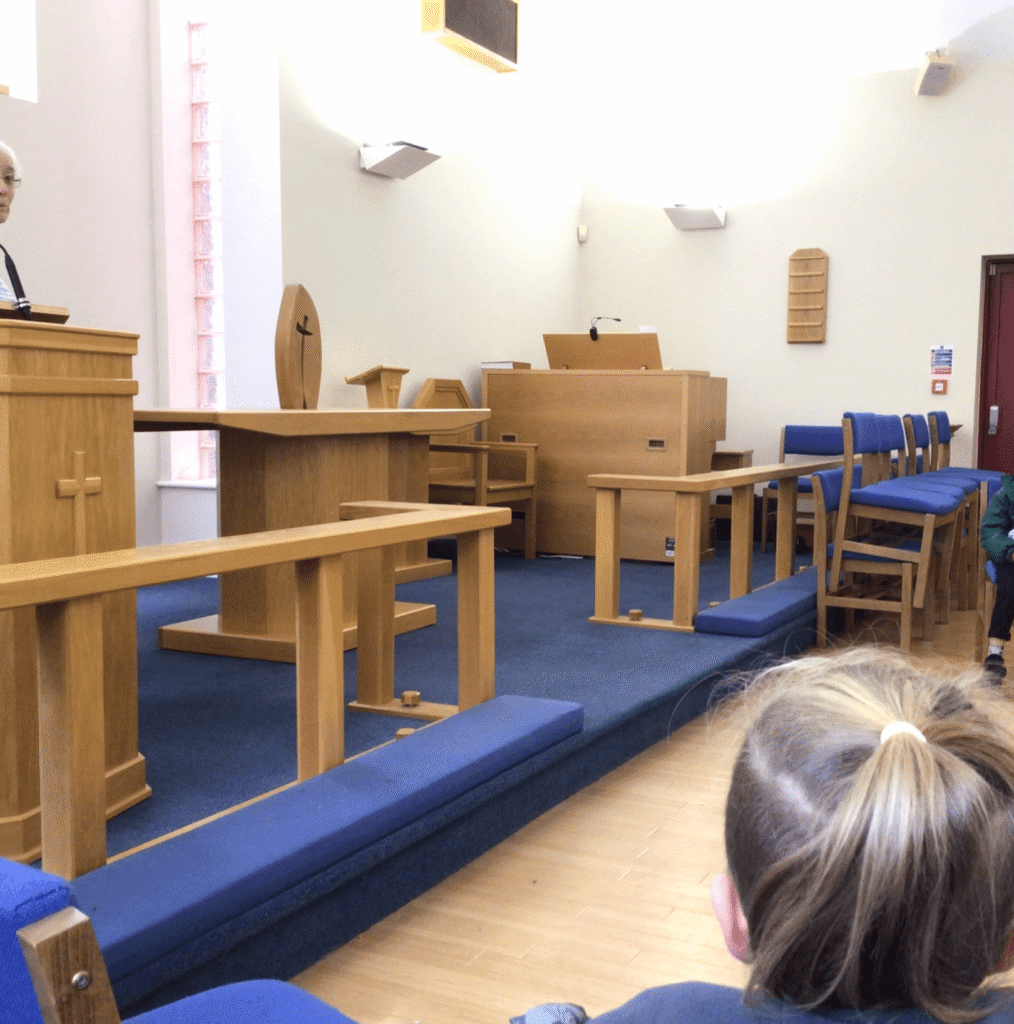
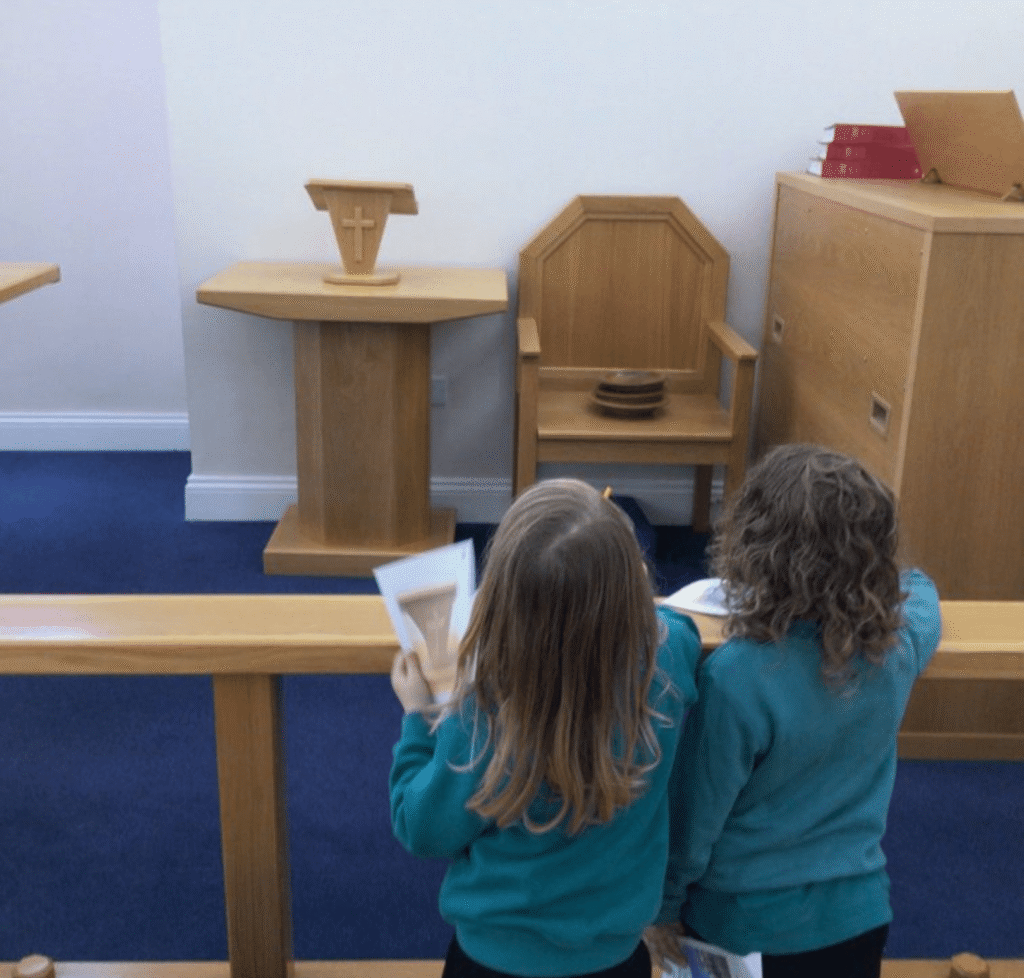
- benefit from real-life learning experiences, including visits to places of worship and visitors from local faith communities (e.g. Sacriston Methodist Church and Newcastle Gurdwara)
- make meaningful links across the curriculum, building confidence, respect for others and a growing awareness of religious and cultural diversity
We understand the importance of providing rich learning opportunities that develop both skills and knowledge. Through engaging, reflective and thoughtfully sequenced RE sessions, pupils explore a wide range of beliefs and worldviews anddevelop the understanding they need to thrive in a diverse and ever-changing world.
Impact
Our high-quality RE curriculum enables pupils to develop a deep understanding of a wide range of religions and worldviews, preparing them to engage positively with the diverse world around them. Through rich learning experiences and an enquiry-led approach, children build the knowledge, skills and attitudes needed to navigate an ever-changing society with confidence and respect.
Links
- Religious Education in Local Authority Maintained Schools
- Vocabulary Progression RE
- RE Long Term Plan
Gallery

Please be aware that parents and carers have a right of withdrawal from all of RE or part of RE.


